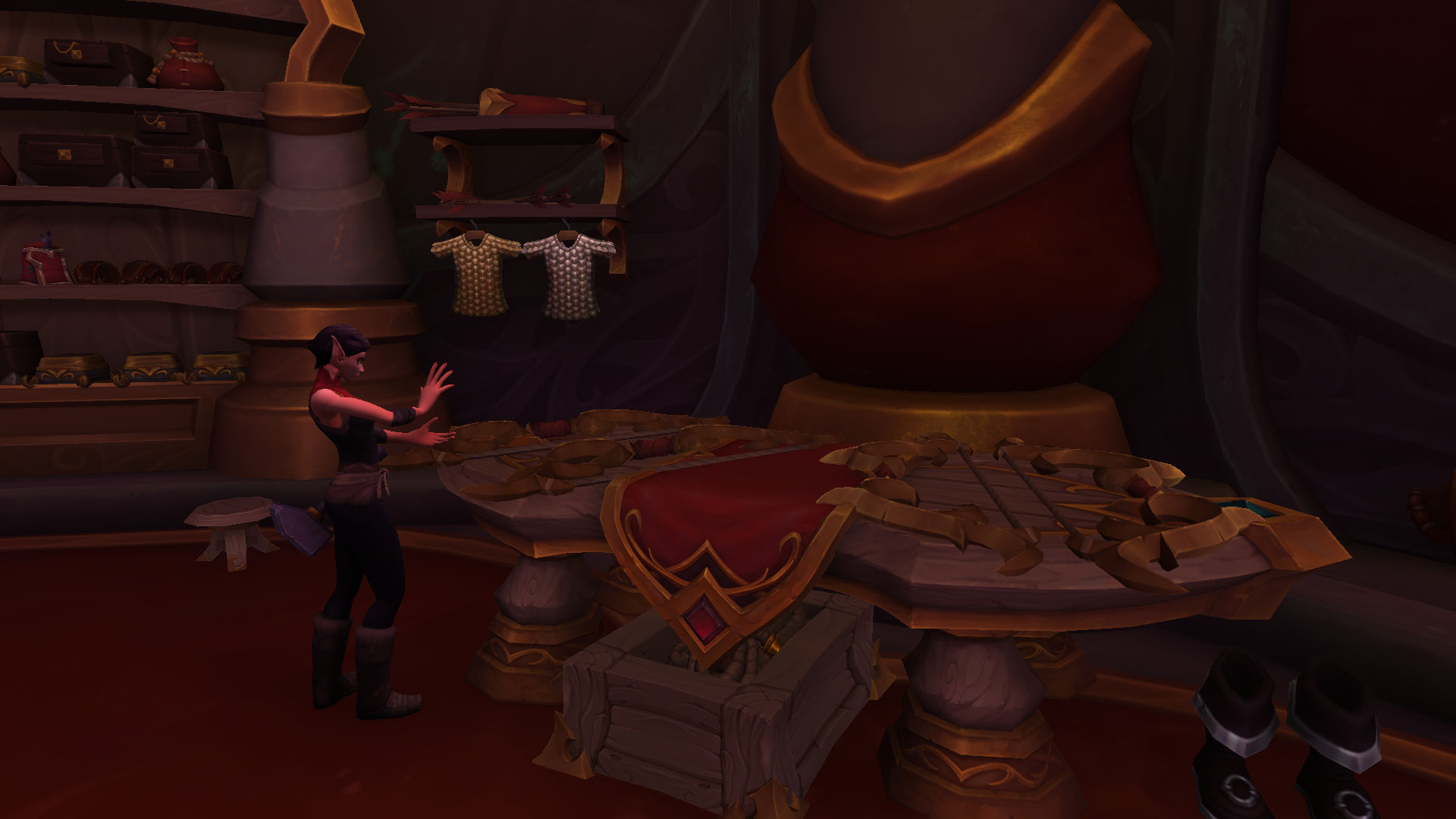
Few places in World of Warcraft evoke as much nostalgia and emotion as faction capitals. More than cities, they are living monuments to identity—centers of trade, lore, and social life that define what it means to be part of the Horde or Alliance. From the towering spires of Stormwind to the sun-drenched canyons of Orgrimmar, each capital embodies the soul of its people. Over two decades, these hubs have evolved architecturally and socially, reflecting both story progression and player community.
This article explores the origins, design, and meaning behind WoW’s most iconic capitals—how they became more than backdrops and turned into homes.
Stormwind – The Beacon of Rebirth
Rebuilt from the ashes of the First War, Stormwind City symbolizes humanity’s resilience. Its Gothic spires and marble courtyards mirror medieval Europe, but its open layout reflects inclusivity. The canals and districts invite exploration, while the castle embodies royal stability. Stormwind evolved into the heart of the Alliance—politically and emotionally. Whether players role-play in the Cathedral Square or duel at the gates, the city remains a gathering place of both commerce and camaraderie.
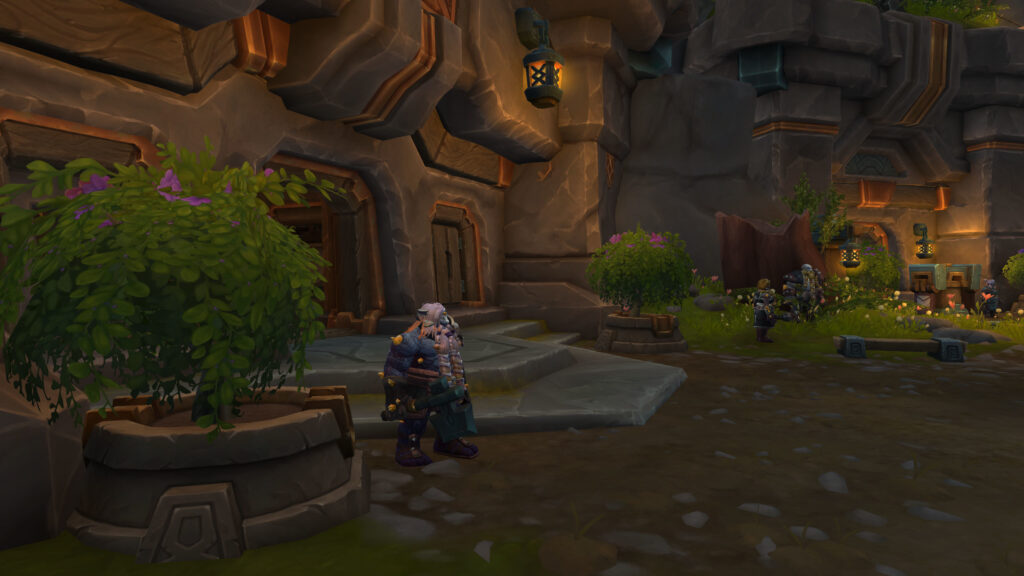
Stormwind’s grandeur lies not just in its architecture—but in its enduring spirit of renewal.
Orgrimmar – Strength Forged in Fire
Orgrimmar stands as the embodiment of the Horde’s defiant resilience. Built within the canyons of Durotar, its iron gates and sandstone walls convey brute endurance and unity. Unlike Stormwind’s elegance, Orgrimmar’s design prioritizes function and symbolism—massive forges, spikes, and banners that echo a warrior’s pride. Over time, its role shifted from a city of survivors to the political and spiritual heart of the Horde. Even after sieges and wars, Orgrimmar endures as a symbol of perseverance.
Where Stormwind inspires hope, Orgrimmar demands respect.
Undercity and Silvermoon – Shadows and Splendor
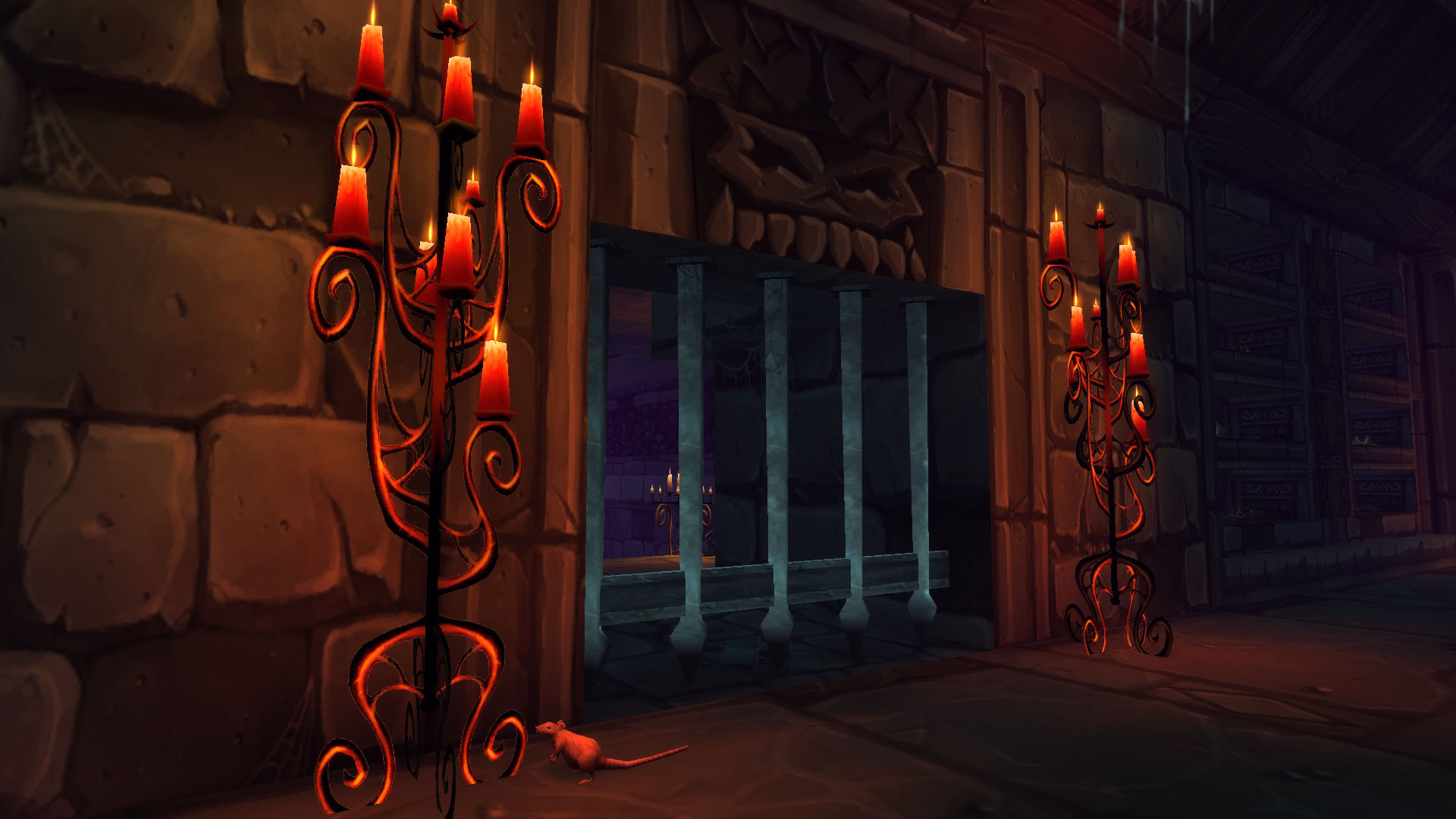
Undercity, the Forsaken capital, was once a monument to tragedy—a city of sorrow turned into sovereignty. Its circular corridors and plague-green architecture mirrored decay and survival. In contrast, Silvermoon City stood as its radiant counterpart: art, symmetry, and restoration. Both cities represent loss reborn through identity. The fall of Undercity during the Fourth War left a void, but its memory still defines Forsaken culture—proof that home is not a structure but a sentiment.
Where Silvermoon glows with pride, Undercity whispers remembrance.
| Capital | Faction | Architectural Theme | Cultural Symbolism |
|---|---|---|---|
| Stormwind | Alliance | Gothic and Renaissance | Hope and order |
| Orgrimmar | Horde | Tribal-industrial | Strength and survival |
| Undercity | Forsaken | Necropolis Gothic | Decay and resilience |
| Silvermoon | Blood Elf | Arcane Baroque | Pride and rebirth |
| Dalaran | Neutral | Arcane floating metropolis | Knowledge and unity |
Dalaran – The Floating Heart of Magic
Dalaran is the closest thing Azeroth has to a neutral utopia. Suspended above the world, it represents intellect and collaboration across faction lines. Its purple glow and floating spires capture the essence of magic unbound by war. For many expansions, Dalaran served as a crossroads for adventurers—a place where rival heroes coexisted under the banner of curiosity and necessity. In its shimmering streets, wisdom triumphed over conflict, if only temporarily.
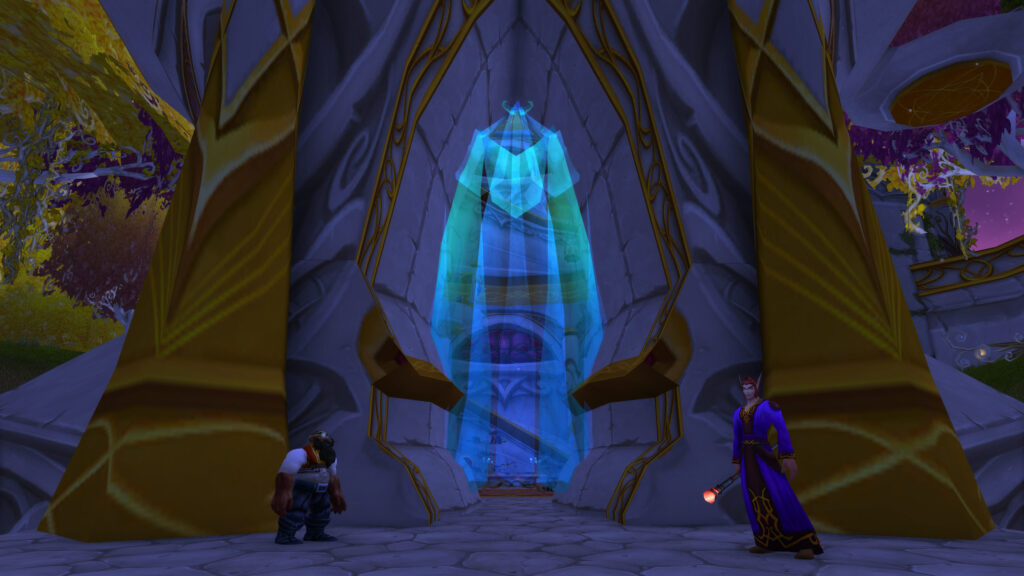
Dalaran proves that knowledge is the truest form of peace.
Modern Capitals and Cultural Continuity
With expansions like Dragonflight and The War Within, Blizzard continues to create shared hubs that blend history with modern storytelling. Cities like Valdrakken reflect inclusivity—a space where factions coexist yet maintain identity. Architecture now mirrors philosophy: fluid, open, and dynamic. These capitals invite social engagement, exploration, and collective achievement, emphasizing that player interaction remains at the heart of the experience.
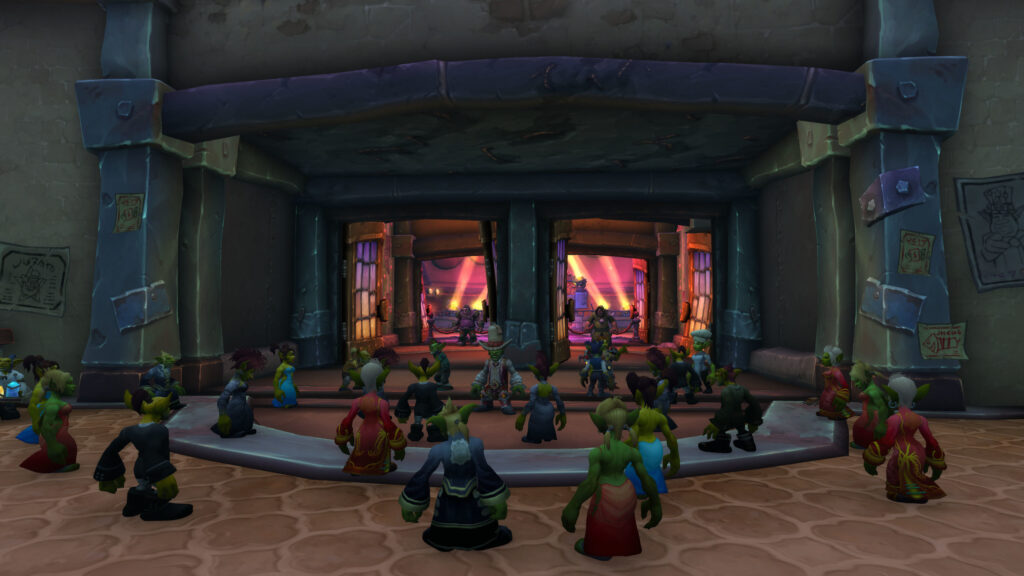
The capital isn’t where you rest—it’s where you reconnect.
Conclusion
From the stone streets of Stormwind to the echoing corridors of Undercity, faction capitals have always been more than places—they are reflections of the player community itself. Each design choice, from layout to lighting, tells a cultural story of pride, loss, and evolution. While battles reshape the world above, these cities endure as timeless sanctuaries of gathering and identity.
Because in Azeroth, home is not defined by walls—but by those who walk within them.